
Conditions & injuries
Sports Injury Care in San Francisco
Running, lifting, cycling, court sports, golf, and team play place different demands on the body. Injuries may happen in one moment or build as training load outpaces recovery. Ocean Chiropractic Center evaluates non-emergency musculoskeletal sports complaints and builds care around the athlete, activity, and actual findings. We do not promise faster healing, injury prevention, or improved performance.
Symptoms are a starting point, not a diagnosis. This guide explains patterns an evaluation may consider and the changes that should not wait for a routine visit.
Acute injury or overload?
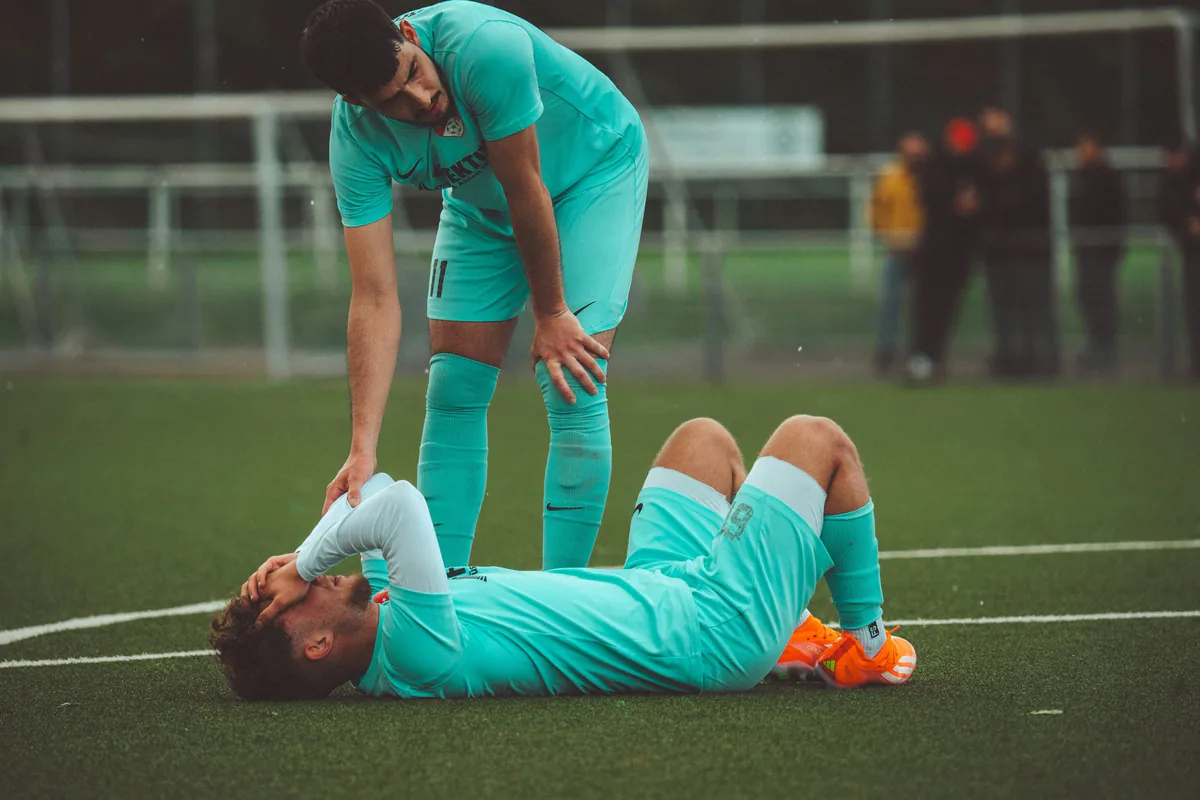
Sprains, strains, tendon problems, knee and shoulder injuries, fractures, and dislocations are common sports-injury categories. A sudden pop, collision, fall, or twist deserves screening for structural injury. A gradual ache may reflect repeated load, training change, technique, equipment, or inadequate recovery.
Pain location is not a diagnosis. Swelling, bruising, instability, locking, weakness, numbness, and inability to bear weight help determine urgency. Continuing to play through a meaningful injury can make matters worse.
Examine the movement that matters
We review the mechanism, training volume, recent changes, prior injuries, health history, and the level of activity you want to resume. The examination may assess comfortable range of motion, strength, balance, joint function, and sport-relevant movement within safe limits.
Imaging or referral may be appropriate for suspected fracture, dislocation, significant ligament or tendon injury, concussion, or neurological symptoms. The clinician should be clear when a chiropractic setting is not the right first destination.
Sport context matters: the same symptom has different implications for a runner, swimmer, lifter, or contact-sport athlete. We ask about competition schedule, position, surfaces, equipment, and what “return” actually requires. If testing a sport-specific movement is not yet appropriate, the evaluation should stop short rather than provoke symptoms merely to complete a checklist.
Build capacity without making promises
For an appropriate musculoskeletal presentation, a plan may combine selected hands-on care, mobility work, progressive exercise, and guidance on training loads. Treatment changes as symptoms and function change. The goal is to support a sensible recovery process, not to “realign” an athlete for guaranteed performance.
Physical therapy, sports medicine, medication, or orthopedic care may be needed depending on diagnosis. We welcome co-management and respect sport-specific restrictions from another treating clinician.
A graded return beats a date on the calendar
Returning to sport should consider pain, swelling, motion, strength, control, confidence, and the demands of the activity. Feeling better at rest does not always mean a tissue is ready for full speed or contact. A gradual progression provides useful feedback and can be adjusted if symptoms increase.
The progression should also account for fatigue and the ability to repeat a movement with consistent control.
Warm-up, equipment, sleep, and recovery habits matter, but no routine can eliminate all injury risk. Children and competitive athletes may also need clearance through their team, school, or sports-medicine process.
Stop and seek urgent care when needed
Call 911 for loss of consciousness, seizure, breathing difficulty, severe bleeding, or neck injury with neurological symptoms. Seek urgent evaluation for a deformed joint, inability to bear weight after trauma, a cold or numb limb, rapidly increasing swelling, or concussion danger signs such as worsening headache, repeated vomiting, confusion, or unusual drowsiness.